

Frequently Asked Questions
1. What is the optimization process of wastewater treatment?
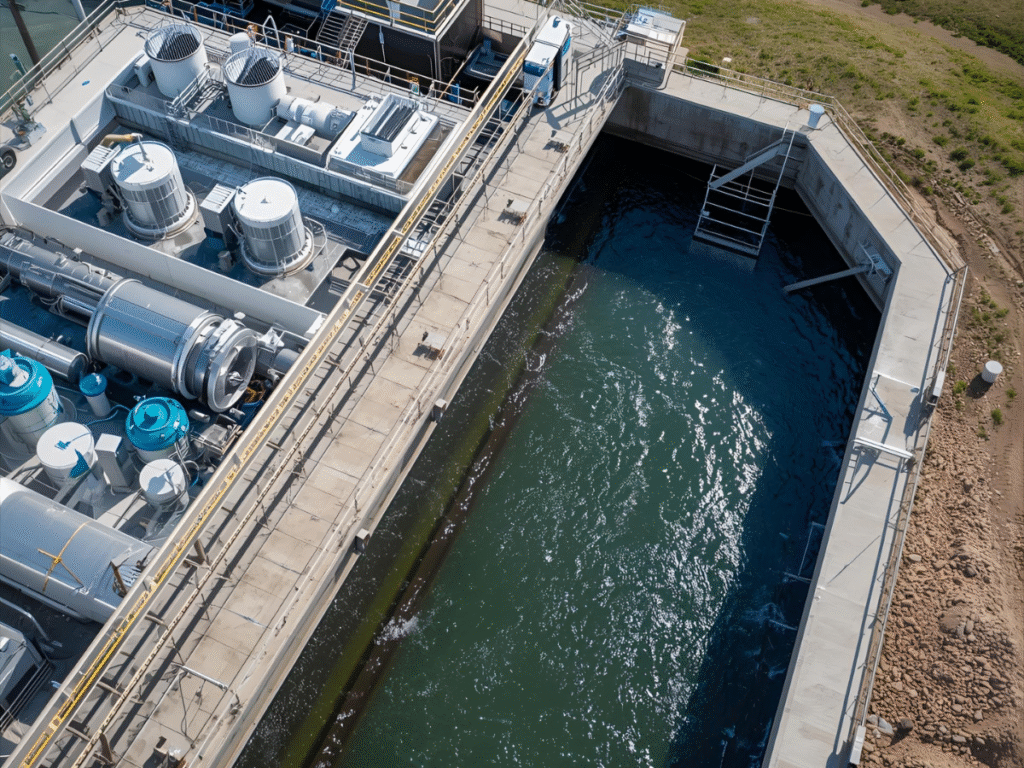
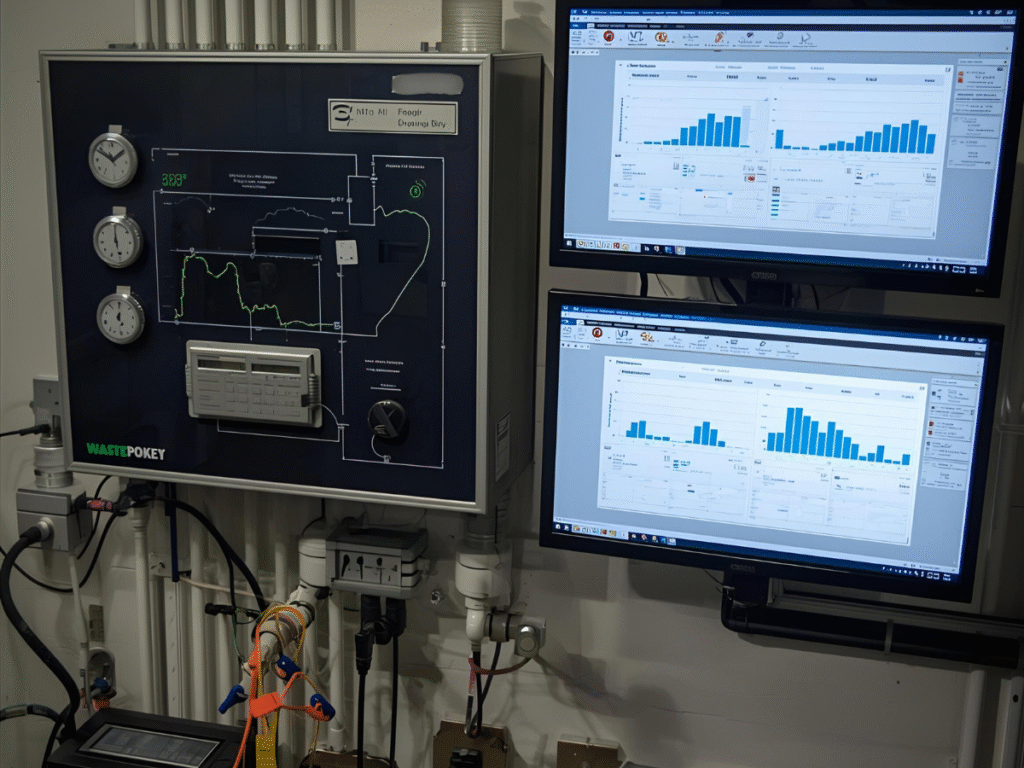
The optimization process of wastewater treatment involves improving the efficiency of each treatment stage — from aeration to sludge handling — to reduce energy, chemical use, and operational costs while maintaining high effluent quality. It uses data monitoring, process control, and automation to achieve stable and cost-effective performance.
2. What is the process of water optimization?
Water optimization focuses on using water resources efficiently by minimizing waste and maximizing reuse. It includes monitoring water usage, recycling treated water, improving system efficiency, and adopting technologies that reduce water losses in industrial, municipal, or household systems.
3. What are the 4 stages of wastewater treatment?
The four main stages of wastewater treatment are: Preliminary Treatment – Removal of large solids and debris. Primary Treatment – Settling of suspended solids. Secondary Treatment – Biological degradation of organic matter. Tertiary Treatment – Advanced purification for nutrient and pathogen removal before discharge or reuse.
4. What is the optimization model of water?
The optimization model of water is a data-based approach that uses mathematical and computational techniques to balance water supply, treatment efficiency, and cost. It helps determine the most efficient way to treat, distribute, and reuse water while conserving energy and protecting the environment.