


Fluvyl

What Is a Greywater System? The Complete Homeowner's Guide to Saving Water and Money

By Fluvyl, updated July 26, 2026

greywater system

What Is a Greywater System?

If you’ve ever looked at your monthly water bill and wondered, “Where is all this water going?”, you’re asking the same question that many homeowners ask me during site visits.

After designing and evaluating many water recycling projects, I’ve noticed something surprising. Most families unknowingly waste hundreds of litres of perfectly reusable water every single day.

The water from your shower, bathroom washbasin, and washing machine usually flows straight into the drain. Yet much of this water is clean enough to be treated and reused.

This is where a greywater system becomes valuable.

A greywater system is a water recycling setup that collects wastewater from selected household sources, treats it if necessary, and reuses it for non-drinking purposes such as toilet flushing, landscape irrigation, gardening, and cleaning.

Instead of letting reusable water disappear into the sewer, you make it work twice.

Think of it as giving your household water a second life.

As freshwater becomes more expensive and shortages become more common, I believe every homeowner should understand how greywater reuse works—even if they don’t install a system immediately.

Table of Contents

 
  • What Is a Greywater System?
  • Why Should Homeowners Care About Greywater?
  • What Is Greywater?
  • How Does a Greywater System Work?
  • Main Components
  • Benefits of Installing a Greywater System
  • Why install a Greywater Systems
  • Which Greywater System Is Best for Your Home?
  • Installation Cost
  • Maintenance
  • Common Mistakes
  • Is a Greywater System Worth It?
  • FAQs
modern house showing water flowing from shower

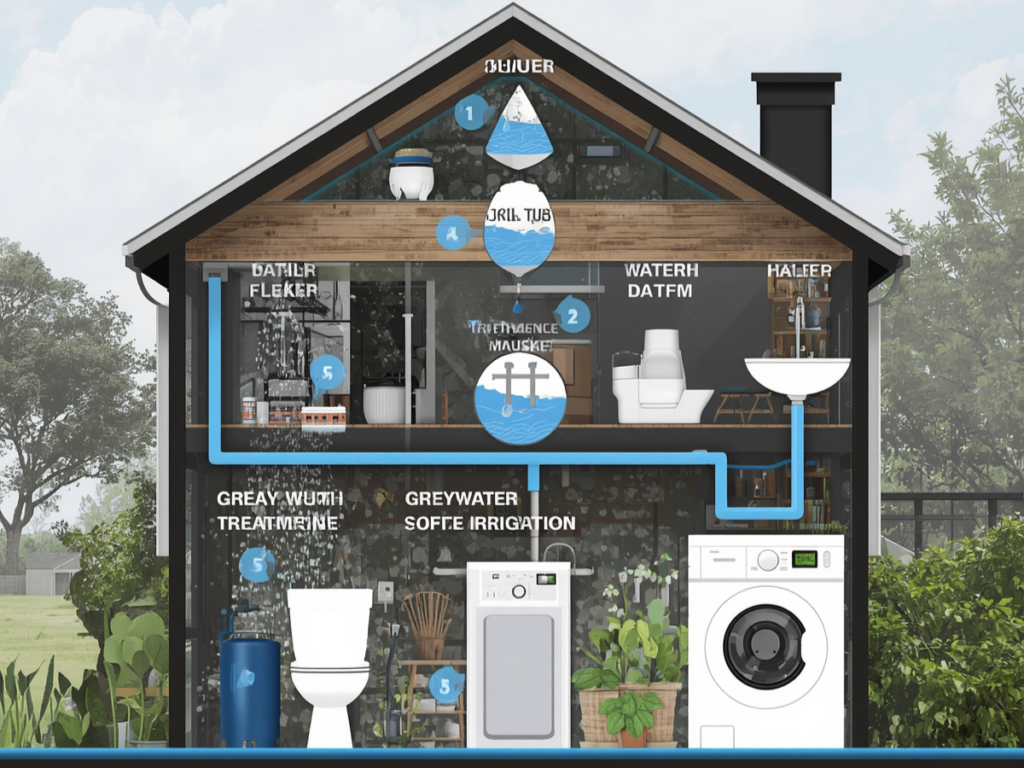
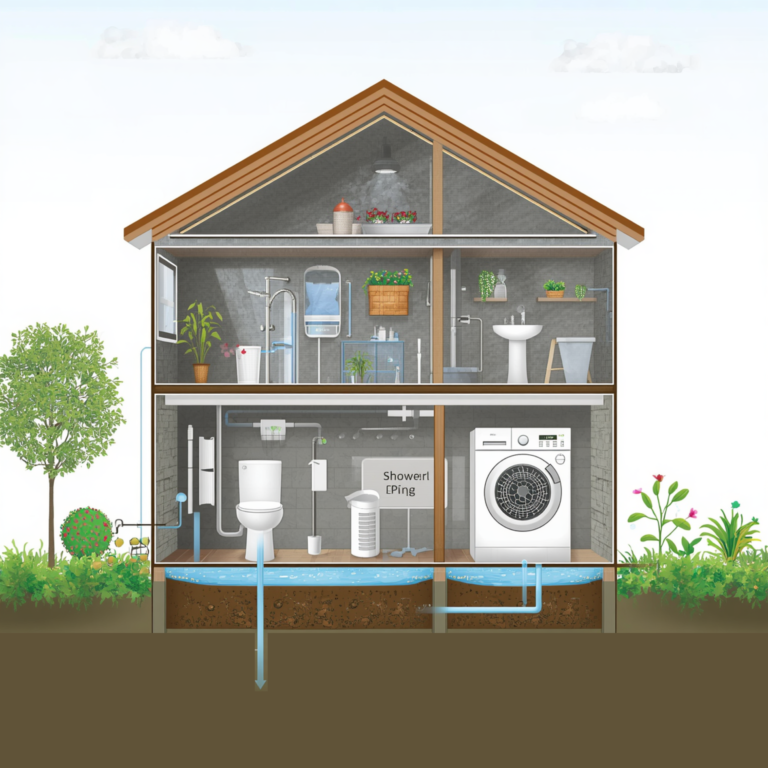
Figure: Water flowing from shower, washbasin and washing machine into a greywater treatment unit before being reused for toilets and garden irrigation.

Why Should Homeowners Care About Greywater?

Many people believe they need to reduce their daily activities to save water. Actually, that’s not true. You don’t necessarily need shorter showers or fewer laundry loads. Instead, you can reuse the same water.

A typical family uses water for:

  • Bathing
  • Washing clothes
  • Hand washing
  • Cleaning
  • Toilet flushing
  • Gardening
  • Car washing

Only a small percentage of this water actually needs drinking-water quality. Why use expensive treated municipal water for watering plants? Why flush toilets with potable water?

These questions are becoming increasingly important because water scarcity is growing in many cities. Installing a greywater system helps homeowners become more water efficient without changing their lifestyle dramatically.

What Is Greywater?

Before discussing treatment, let’s understand what greywater actually is. Greywater is wastewater generated from household activities that does not contain toilet waste.

Common sources include:

  • Bathroom showers
  • Bathtubs
  • Bathroom washbasins
  • Washing machines
  • Laundry sinks

This water usually contains:

  • Soap
  • Shampoo
  • Hair
  • Dirt
  • Small amounts of grease
  • Detergent
  • Skin particles

Although it isn’t safe for drinking, it is much cleaner than sewage and can usually be treated using relatively simple processes. This is why a greywater system is much simpler than a complete sewage treatment plant.

Greywater sources
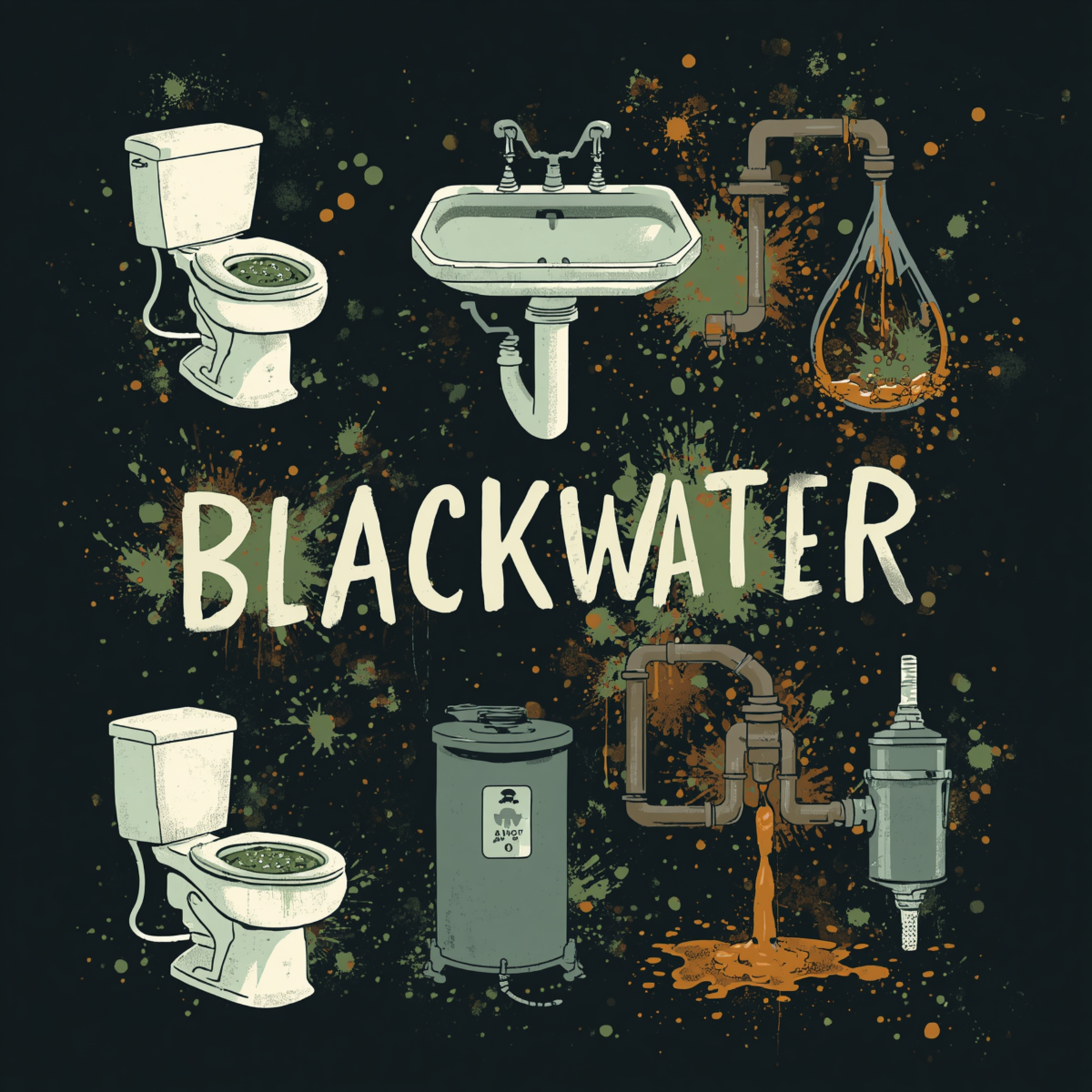
Blackwater sources

What Is Blackwater?


People often confuse greywater with sewage. They are completely different.

Blackwater includes wastewater from:

  • Toilets
  • Kitchen sinks with heavy grease
  • Food waste disposal units

Blackwater contains:

  • Human waste
  • High bacteria levels
  • Pathogens
  • High organic pollution

It always requires advanced biological treatment before reuse. A greywater system should never collect toilet wastewater. Keeping greywater separate is the key to making recycling economical.

How Does a Greywater System Work?

One of the first questions homeowners ask me is: “Does the water simply go into a tank?” Not exactly.

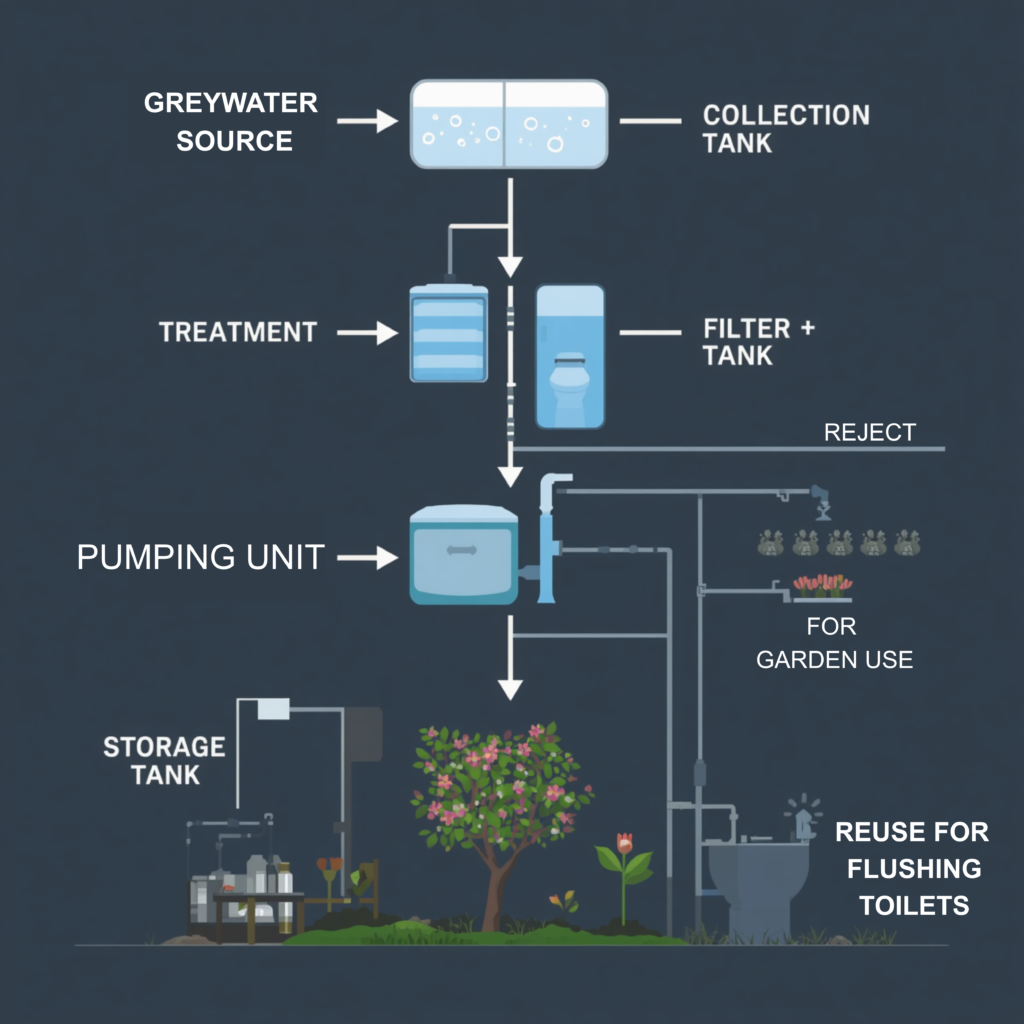
A properly designed greywater system follows several treatment steps.

Step 1: Collection


Water is collected from approved plumbing fixtures.

These include:

  • Showers
  • Washbasins
  • Laundry

Separate plumbing ensures this water doesn’t mix with sewage.

Step 2: Screening


Large materials are removed.

Examples include:

  • Hair
  • Cloth fibres
  • Plastic
  • Leaves

Removing solids protects pumps and filters.

Step 3: Treatment


Depending on the application, treatment may include:

  • Sedimentation
  • Sand filtration
  • Activated carbon
  • Pressure filtration
  • Biological treatment
  • Membrane filtration
  • UV disinfection

Higher-quality reuse requires better treatment.

Step 4: Storage


Treated water is stored in a clean tank.

Many systems include:

  • Float switches
  • Overflow protection
  • Level sensors
  • Automatic makeup water

Step 5: Reuse


The treated water is pumped for:

  • Garden irrigation
  • Toilet flushing
  • Floor cleaning
  • Vehicle washing

A properly maintained greywater system can safely perform these tasks for years.

Flow diagram

Main Components of a Greywater System

Every project is slightly different, but most residential systems include similar equipment.

Component Purpose
Collection Tank Receives greywater from the house
Screen Filter Removes hair and large particles
Treatment Unit Improves water quality
Pump Transfers treated water
Storage Tank Stores treated water
UV Disinfection Reduces bacteria
Control Panel Automates operation
Float Switch Prevents overflow
Distribution Pipeline Sends treated water for reuse

As a designer, I always recommend choosing components that require minimal maintenance while still providing reliable performance.

Why Install a Greywater System?

From my experience, homeowners usually install one for three reasons.

1. Lower Water Bills

Reusing water reduces fresh water consumption.

2. Environmental Benefits

Less freshwater extraction means lower environmental impact.

3. Water Security

During shortages, stored treated water provides additional resilience.

Beyond these, a greywater system can also reduce the load on municipal sewer networks and promote more sustainable living.

Which Greywater System Is Best for Your Home?

There isn’t a single answer that fits every homeowner. When I design a system, I always ask four questions:

  • How many people live in the house?
  • How much greywater is produced every day?
  • Where will the treated water be reused?
  • What is the available budget?

For a family of four, a compact filtration-based greywater system is usually sufficient for toilet flushing and garden irrigation. Larger homes or villas with extensive landscaping may benefit from a pumped system with additional treatment. Apartment complexes and hotels often require biological treatment systems to meet higher water demand and regulatory requirements. The key is to choose a system that matches your actual needs rather than buying the most expensive option.

How Much Does a Greywater System Cost?

One of the first questions homeowners ask is:

“How much will it cost?”

The answer depends on several factors, including:

  • Daily water generation
  • Treatment technology
  • Storage capacity
  • Automation level
  • Local labour costs
  • Plumbing modifications

A simple gravity-based installation is generally the most affordable. A fully automated filtration or biological system with pumps, UV disinfection, sensors, and control panels will cost more but offers greater convenience and water quality. Instead of focusing only on the initial investment, think about the long-term savings on your water bill and the environmental benefits. Over time, a well-designed greywater system can pay for itself through reduced freshwater consumption.

Maintenance Tips

Many homeowners worry that maintenance will be difficult. In my experience, that’s rarely true—provided the system is designed correctly.

Here are a few simple practices that keep your greywater system running efficiently:

  • Clean the screen filter regularly.
  • Inspect pumps and valves every few months.
  • Avoid pouring harsh chemicals into bathroom drains.
  • Use biodegradable soaps and detergents whenever possible.
  • Flush storage tanks periodically.
  • Replace filter cartridges according to the manufacturer’s recommendations.
  • Check UV lamps annually if installed.

Routine maintenance takes only a small amount of time but greatly improves reliability and treatment performance.

Common Mistakes to Avoid

Over the years, I’ve seen several installation mistakes that reduce system performance. Here are the most common ones:

Mixing Blackwater with Greywater

Never connect toilet wastewater to the greywater collection line.

Ignoring Maintenance

Even the best system needs regular cleaning.

Using Harsh Cleaning Chemicals

Strong chemicals can damage biological treatment processes and reduce water quality.

Oversized Storage Tanks

Greywater should not be stored for extended periods without proper treatment, as it can develop unpleasant odours.

Poor Plumbing Design

Incorrect pipe slopes, undersized pipes, or inadequate ventilation can lead to blockages and operational issues.

Avoiding these mistakes will help your greywater system operate safely and efficiently for many years.

Is a Greywater System Worth It?

After working on numerous residential and commercial projects, my answer is simple:

Yes—when it is properly designed, installed, and maintained.

A well-planned greywater system is more than just a water-saving device.

It is an investment in:

  • Lower utility bills
  • Environmental sustainability
  • Water security
  • Increased property value
  • Responsible resource management

As freshwater becomes increasingly valuable, reusing greywater is likely to become a standard feature in modern homes rather than an optional upgrade.

If you’re building a new home or renovating an existing one, this is the ideal time to consider incorporating greywater recycling into your plumbing design.

Final words

Water is one of our most valuable resources, yet much of it is used only once before being discharged.

By understanding how greywater recycling works, homeowners can make informed decisions that benefit both their household and the environment. Whether your goal is reducing water bills, maintaining a healthy garden, or preparing for future water shortages, a thoughtfully designed greywater system offers a practical and sustainable solution.

As someone who has spent years designing water and wastewater treatment systems, my advice is to keep things simple: choose the right technology for your needs, install it correctly, and maintain it regularly. A reliable greywater system doesn’t have to be complicated—it just has to be designed well.

Frequently Asked Questions

1. What is a greywater system?

A greywater system collects wastewater from showers, bathroom sinks, and washing machines, treats it when necessary, and reuses it for non-drinking purposes such as toilet flushing and garden irrigation.

2. Is greywater safe to use?

Yes, when properly treated and used only for approved non-potable applications. It should never be used for drinking or cooking.

3. Can I drink treated greywater?

No. Even after treatment, greywater is generally not intended for human consumption unless it undergoes advanced purification specifically designed to meet drinking water standards.

4. Can greywater be used for gardening?

Yes. Treated greywater is commonly used for landscape irrigation, ornamental plants, lawns, and in some cases fruit trees, depending on local regulations and water quality.