

Fluvyl

Understanding the Package Wastewater Treatment Plant

By Fluvyl, updated October 20, 2025

Package Wastewater Treatment Plant

In today’s world, water scarcity and pollution have become two of the biggest environmental challenges. As industries, institutions, and communities continue to grow, managing wastewater efficiently has become a top priority. This is where a package wastewater treatment plant steps in — offering a compact, efficient, and cost-effective solution for treating wastewater before it is discharged or reused.

Whether you are an industrial owner, real estate developer, or municipal authority, understanding how a package wastewater treatment plant works, its design, and its benefits can help you make informed decisions for your facility and the environment. This article explores everything you need to know — from its working principles and design considerations to applications, advantages, and maintenance tips.

What Is a Package Wastewater Treatment Plant?

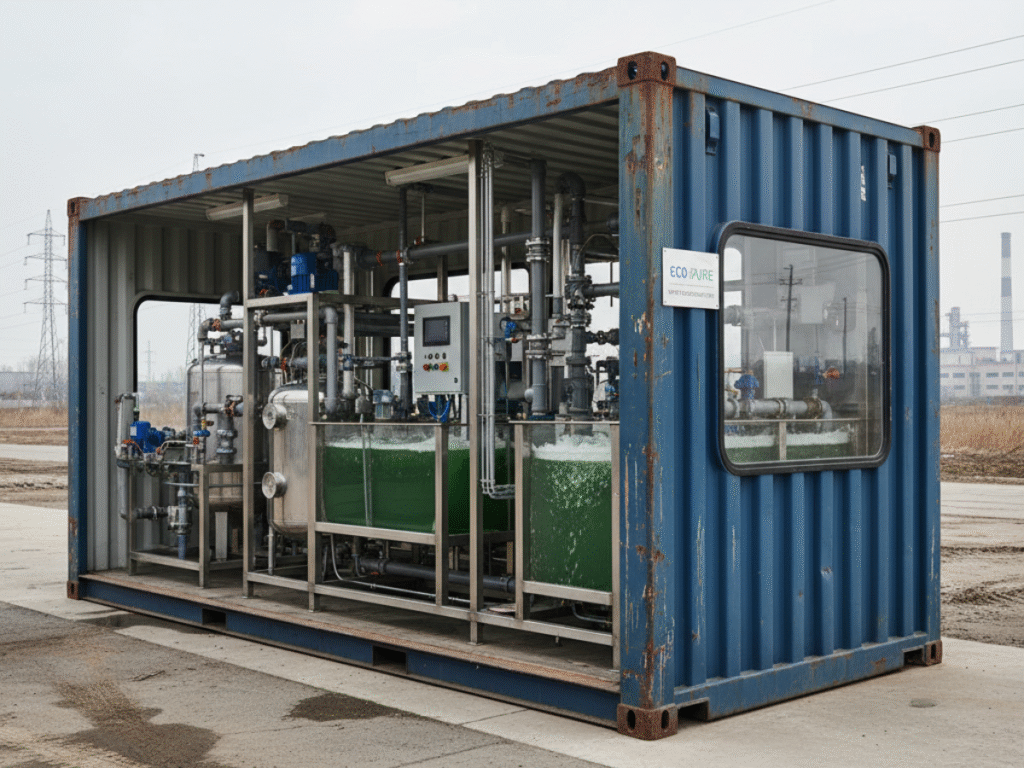
A package wastewater treatment plant is a pre-engineered, modular system designed to treat sewage or industrial wastewater effectively. Unlike traditional treatment systems that require large civil structures, these plants are compact, prefabricated units that can be quickly installed and commissioned.

They are called “package plants” because they come as a complete package — with all components, such as aeration tanks, clarifiers, sludge digesters, and disinfection units, integrated into a single or modular setup.

The system is designed to handle wastewater from:

  • Residential communities
  • Industrial facilities
  • Hospitals and institutions
  • Remote camps or construction sites
  • Hotels and resorts

In simple terms, a package wastewater treatment plant provides an all-in-one solution for small- to medium-scale wastewater treatment applications.

Why Do We Need a Package Wastewater Treatment Plant?

The increasing demand for water and the tightening of environmental laws have made wastewater treatment more critical than ever. Traditional sewage treatment systems often require large areas, significant civil works, and long installation times — challenges that many modern facilities cannot afford. This is where a package wastewater treatment plant provides the perfect solution: compact, efficient, and environmentally responsible.

Let’s explore the main reasons why industries, communities, and institutions are shifting toward these systems:

1. Water Scarcity
 

With groundwater levels depleting and freshwater sources becoming increasingly polluted, reusing treated wastewater has become a necessity rather than an option. A package wastewater treatment plant helps convert sewage or industrial effluent into reusable water for non-potable purposes such as flushing, irrigation, and cooling towers. This reduces dependence on freshwater resources and promotes sustainable water management — a crucial step in areas facing acute water shortages.

2. Stringent Environmental Regulations
 

Governments and environmental agencies now enforce strict discharge norms for wastewater. Untreated or partially treated water can no longer be released into natural water bodies or municipal drains. A package wastewater treatment plant ensures compliance with these regulations by consistently achieving the required discharge standards. This not only protects the environment but also shields organizations from heavy penalties and license suspensions.

3. Space Constraints
 

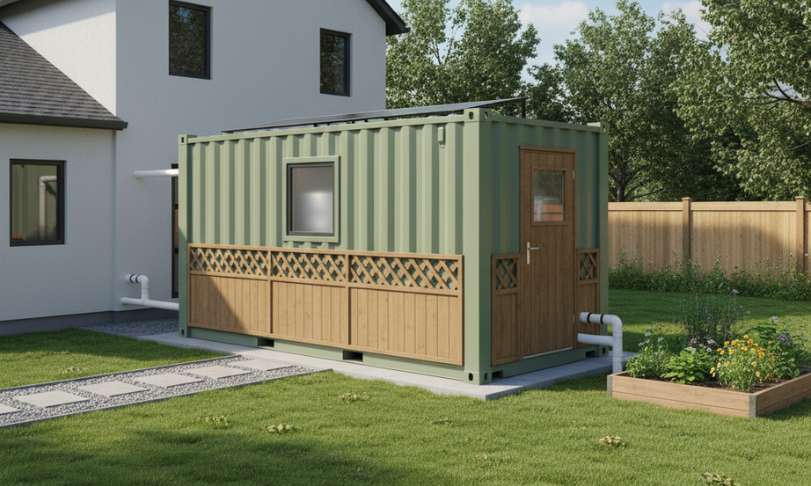
Urban development and industrial expansion often leave limited land for utilities. Conventional wastewater treatment plants demand large footprints due to multiple concrete tanks and infrastructure. In contrast, a package wastewater treatment plant is designed to fit into compact spaces — sometimes even underground or within containerized setups. This space efficiency makes it highly suitable for residential complexes, hotels, hospitals, and factories located in densely populated areas.

4. Quick Installation and Mobility
 

Time is money, especially for construction projects, remote sites, or temporary setups. Traditional wastewater systems can take several months to build and commission. However, a package wastewater treatment plant arrives pre-engineered and prefabricated, ready for plug-and-play installation. The setup can often be completed in just a few weeks. Additionally, its modular design allows it to be relocated or expanded easily, offering unmatched flexibility for dynamic operations.

5. Cost-Effectiveness
 

In comparison to conventional treatment systems, a package wastewater treatment plant offers significant cost advantages. It reduces civil construction costs, requires fewer skilled operators, and operates efficiently with lower power consumption. The long-term savings from water reuse and minimal maintenance make it an economical and sustainable choice for organizations aiming to lower both operational expenses and environmental impact.

How Does a Package Wastewater Treatment Plant Work?

How Does a Package Wastewater Treatment Plant Work

The working principle of a package wastewater treatment plant is similar to that of a conventional treatment system but in a more compact and automated form. It generally follows these stages:

1. Preliminary Treatment
 

In this stage, large solids, grit, and debris are removed using screens and grit chambers to protect downstream equipment.

2. Primary Treatment
 

Sedimentation tanks allow suspended solids to settle, reducing the load on the biological treatment stage.

3. Secondary (Biological) Treatment
 

This is the heart of the system. Microorganisms are used to break down organic matter present in the wastewater. Common technologies used include:

  • Activated Sludge Process (ASP)
  • Moving Bed Biofilm Reactor (MBBR)
  • Sequential Batch Reactor (SBR)
  • Membrane Bioreactor (MBR)

Each of these processes ensures that the wastewater is treated to meet discharge or reuse standards.

4. Tertiary Treatment
 

After biological treatment, advanced filtration and disinfection steps such as sand filters, UV disinfection, or chlorination are applied to remove pathogens and fine impurities.

5. Sludge Handling
 

The residual sludge is treated, thickened, and dewatered for safe disposal or reuse as fertilizer. Thus, a package wastewater treatment plant completes the full cycle of treating wastewater into clean, reusable water.

Key Components of a Package Wastewater Treatment Plant

A package wastewater treatment plant typically includes the following:

  1. Equalization Tank – Balances the flow and load fluctuations.
  2. Aeration Tank – Facilitates microbial breakdown of organic pollutants.
  3. Secondary Clarifier – Separates treated water from biological solids.
  4. Sludge Handling Unit – Manages the waste sludge.
  5. Tertiary Filter and Disinfection Unit – Ensures final water quality.
  6. Control Panel and Sensors – For automation, alarms, and monitoring.

These components are housed within steel, FRP (Fiberglass Reinforced Plastic), or concrete containers for easy installation and maintenance.

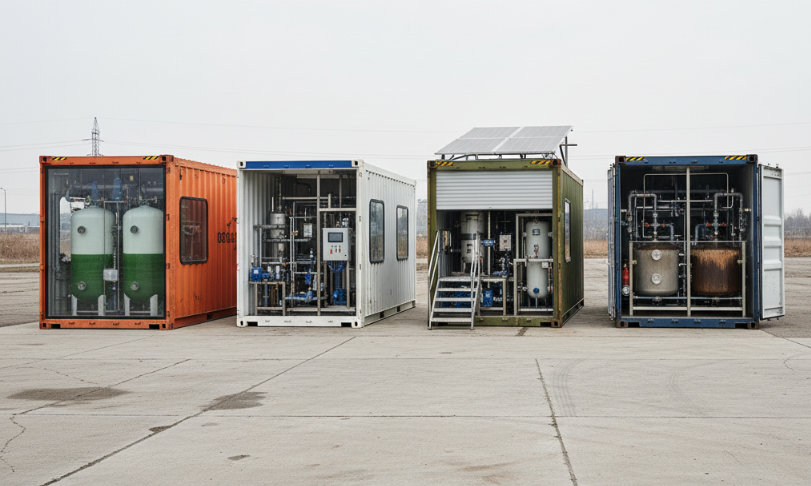
Types of Package Wastewater Treatment Plants

Different technologies can be used to design a package wastewater treatment plant, depending on the application and desired output quality.

1. Activated Sludge Package Plant (ASP)
 

Uses aeration and microbial activity to degrade organic waste. Suitable for small communities and commercial establishments.

2. MBBR (Moving Bed Biofilm Reactor)
 

Employs biofilm carriers that enhance microbial growth and treatment efficiency. Commonly used in industrial and decentralized systems.

3. SBR (Sequential Batch Reactor)
 

A time-based process that treats wastewater in batches. Ideal for variable flow conditions.

4. MBR (Membrane Bioreactor)
 

Combines biological treatment and membrane filtration for high-quality effluent suitable for reuse.

5. Extended Aeration Package Plant
 

A variation of the activated sludge process with longer aeration time, reducing sludge production.

Types of Package Wastewater Treatment Plants

Advantages of a Package Wastewater Treatment Plant

  1. Compact Design: The system requires minimal land area, making it suitable for urban spaces and confined industrial plots.
  2. Low Civil Work: Most of the fabrication is done off-site, reducing civil construction costs and time.
  3. Modular and Expandable: You can easily expand capacity by adding more modules to the existing system.
  4. Energy Efficiency: Modern systems use low-energy blowers, efficient pumps, and smart control panels to minimize power consumption.
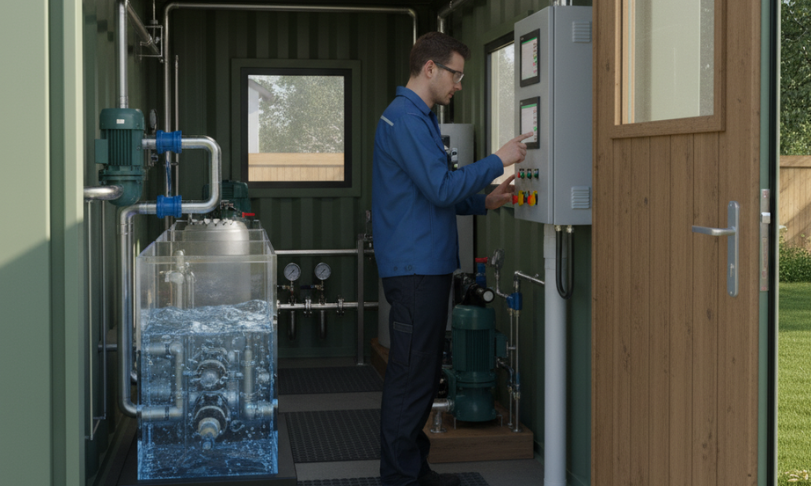
  5. Ease of Operation: Fully automated systems require minimal operator intervention.
  6. Mobility: Portable versions can be relocated for temporary or remote projects.
  7. Reuse Opportunities: The treated water can be reused for gardening, flushing, cooling towers, or irrigation.

Thus, a package wastewater treatment plant is a smart investment for both sustainability and compliance.

Applications of a Package Wastewater Treatment Plant

These systems are versatile and can be used across various sectors:

  • Residential complexes – Apartments, villas, gated communities
  • Hotels and resorts – For treating grey and black water
  • Hospitals – To ensure pathogen-free discharge
  • Educational institutions – Hostels, schools, and universities
  • Industries – For treating process wastewater
  • Construction sites – Temporary camps or portable systems
  • Municipal bodies – For decentralized treatment in small towns

A package wastewater treatment plant serves as an efficient solution wherever on-site treatment is required.

Design Considerations for a Package Wastewater Treatment Plant

When planning a package wastewater treatment plant, certain parameters must be carefully considered:

  1. Influent Characteristics – BOD, COD, TSS, pH, oil, and grease levels.
  2. Treatment Capacity – Based on daily wastewater generation.
  3. Space Availability – Determines plant configuration and layout.
  4. Effluent Standards – Depends on local discharge or reuse norms.
  5. Power Availability – For blowers, pumps, and automation.
  6. Maintenance Access – Proper layout ensures easy inspection and service.

A good design ensures operational efficiency and compliance with environmental norms.

Maintenance and Operation

Operating a package wastewater treatment plant involves routine checks and preventive maintenance. Some key points include:

  • Regularly monitor flow, pH, and dissolved oxygen levels.
  • Inspect pumps, blowers, and membranes for wear or clogging.
  • Remove scum and excess sludge periodically.
  • Maintain proper aeration for microbial activity.
  • Keep records of treated water quality.

With timely maintenance, a package wastewater treatment plant can run efficiently for more than 15–20 years.

Cost and Economic Considerations

The cost of a package wastewater treatment plant depends on several factors such as:

  • Capacity (in KLD or m³/day)
  • Treatment technology used (MBBR, MBR, SBR, etc.)
  • Material of construction
  • Automation level

For instance, small systems (5–50 KLD) for residential buildings can cost between ₹3–10 lakhs, while larger industrial systems can go up to ₹50 lakhs or more. The key advantage is that operating costs are lower compared to traditional setups, and the return on investment comes through water reuse and compliance benefits.

Environmental Benefits

A package wastewater treatment plant not only ensures regulatory compliance but also contributes to sustainable development goals.

  • Reduces pollution in rivers and groundwater.
  • Enables recycling and reuse of treated water.
  • Supports green building certifications (LEED, GRIHA).
  • Reduces carbon footprint by decentralizing treatment.

For communities aiming toward eco-friendly infrastructure, adopting a package wastewater treatment plant is a significant step forward.

Future of Package Wastewater Treatment Plants

The future looks promising with continuous technological innovations. Some emerging trends include:

  • Smart automation and IoT-based monitoring
  • Energy-neutral systems using solar or biogas power
  • Hybrid MBBR-MBR combinations for higher efficiency
  • Compact containerized plants for rapid deployment

With climate change and urbanization pushing the limits of traditional systems, a package wastewater treatment plant will play a vital role in decentralized and sustainable wastewater management.

Challenges and Solutions

Even though a package wastewater treatment plant offers many benefits, it also faces challenges:

ChallengeSolution
Sludge managementRegular desludging and drying beds
Odor issuesProper aeration and biofilters
High TDS levelsAdd RO or ion exchange systems
Operator skill gapProvide training and remote support
Power dependencyUse solar-assisted systems

Addressing these challenges ensures smooth operation and long system life.

Conclusion

A package wastewater treatment plant is an innovative, flexible, and cost-effective solution for modern wastewater management. It allows industries, institutions, and communities to meet environmental regulations, reduce pollution, and conserve water resources.

From design simplicity and easy installation to high-quality effluent and reuse opportunities, it’s a sustainable investment for a greener future. As water scarcity continues to grow, adopting such decentralized, automated systems is not just an option — it’s a necessity.

If you are planning to set up a package wastewater treatment plant, consult a professional engineering firm to design one tailored to your specific needs.

Together, we can move toward a cleaner, sustainable world — one drop at a time.

Frequently Asked Questions

1. What is the main purpose of a package wastewater treatment plant?

The main purpose of a package wastewater treatment plant is to treat domestic or industrial wastewater in a compact, efficient manner so that it can be safely discharged or reused.

2. How long does it take to install a package wastewater treatment plant?

Installation time varies by capacity, but most systems can be set up within a few weeks since they are prefabricated and require minimal civil work.

3. Can treated water from a package wastewater treatment plant be reused?

Yes. The treated water is suitable for gardening, toilet flushing, cooling towers, and even irrigation after tertiary treatment.

4. What is the lifespan of a package wastewater treatment plant?

With proper maintenance, a package wastewater treatment plant can efficiently operate for 15 to 20 years or more.