

Fluvyl

Wastewater Treatment Plant Operator: The Unsung Guardian of Clean Water

By Fluvyl, updated October 21, 2025

Wastewater Treatment Plant Operator

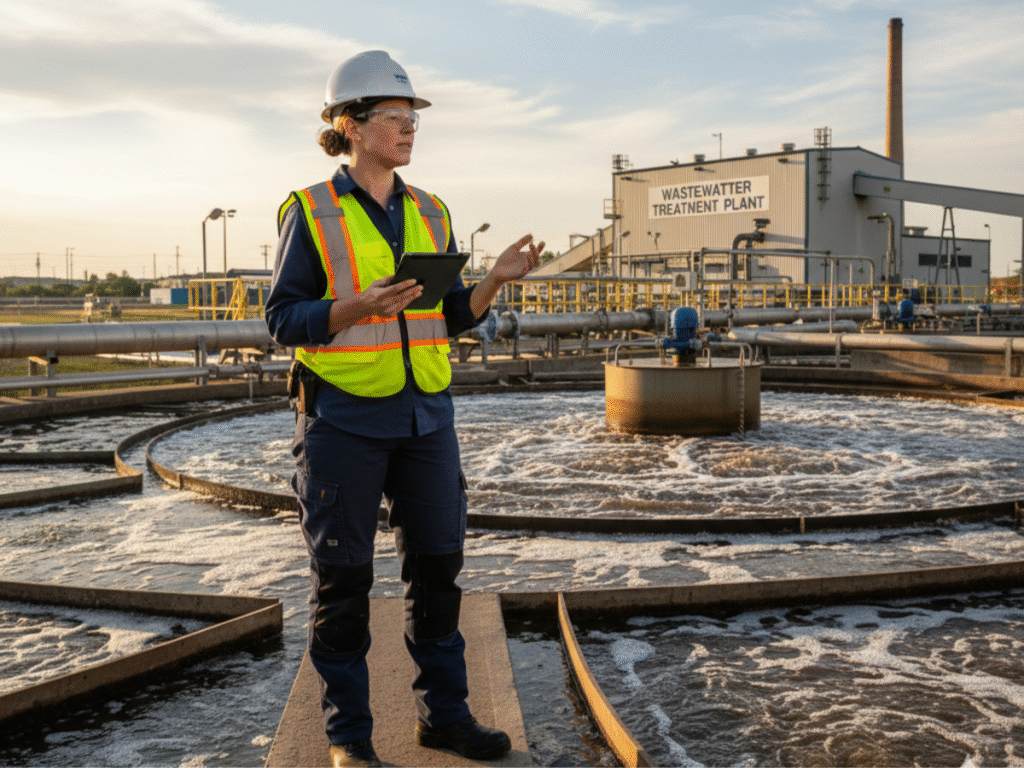
Clean water is one of the most precious resources on Earth — yet most people rarely think about the people who make it possible to reuse and protect it. Among them, the wastewater treatment plant operator stands as a silent hero, ensuring that water leaving our homes, factories, and businesses is safe for the environment.

This article dives deep into the role, skills, challenges, and opportunities of a wastewater treatment plant operator, highlighting why their work is essential for a sustainable future.

Understanding Wastewater Treatment

Before we explore the duties of a wastewater treatment plant operator, let’s understand what wastewater treatment really means.

Wastewater treatment is the process of removing contaminants from sewage or industrial effluents so that the water can be safely returned to nature or reused. It involves physical, chemical, and biological methods to remove pollutants such as suspended solids, organic matter, nutrients, and pathogens.

The ultimate goal is to produce clean, reusable water while protecting public health and ecosystems.

A wastewater treatment plant operator ensures that this complex system works efficiently, safely, and within environmental regulations.

Who Is a Wastewater Treatment Plant Operator?

A wastewater treatment plant operator is a trained professional responsible for monitoring, operating, and maintaining the systems that treat wastewater. Their job is both technical and environmental — balancing machinery management with ecological responsibility.

They control the flow and processing of wastewater through various treatment stages, ensuring compliance with safety and environmental standards. Whether it’s adjusting chemical doses, repairing pumps, or analyzing water samples, every action of a wastewater treatment plant operator directly impacts water quality.

Key Responsibilities of a Wastewater Treatment Plant Operator

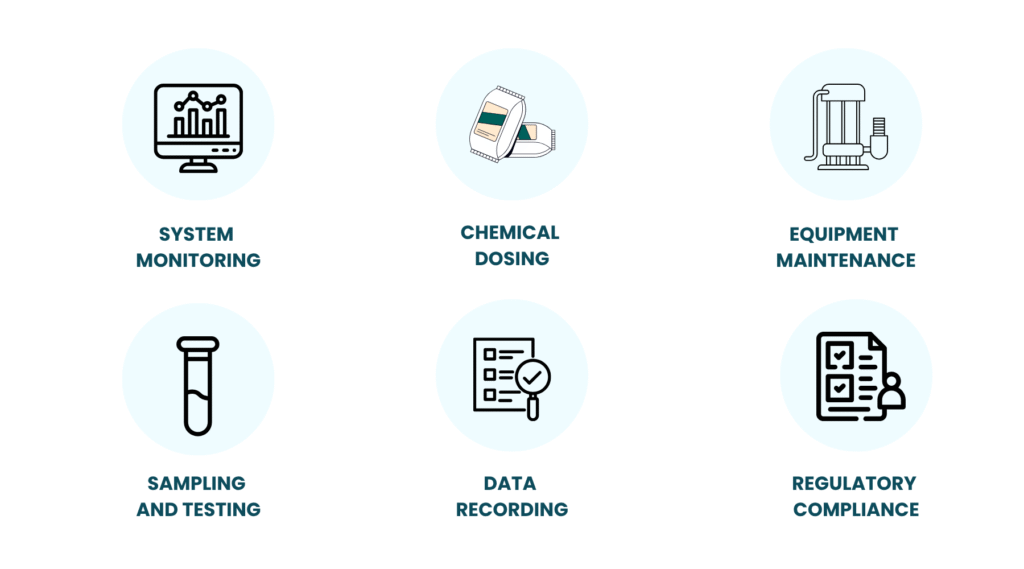
Key Responsibilities of a Wastewater Treatment Plant Operator

The daily duties of a wastewater treatment plant operator go far beyond just watching gauges or pressing buttons. Their work combines science, engineering, and hands-on skill.

Here are some of their main tasks:

Key Responsibility Description
System Monitoring Observing meters, gauges, and control panels to ensure proper functioning of equipment.
Chemical Dosing Adding chemicals like chlorine, alum, or polymers to aid in purification and disinfection.
Equipment Maintenance Cleaning tanks, repairing pumps, and ensuring aerators, valves, and motors are operational.
Sampling and Testing Collecting and analyzing water samples to check pH, BOD, COD, and turbidity levels.
Data Recording Keeping accurate records of plant operations, performance metrics, and maintenance logs.
Regulatory Compliance Ensuring the plant operates within local, national, and environmental authority guidelines.

Each of these roles ensures the smooth and compliant functioning of a wastewater facility.

Skills and Qualifications Needed

Being a wastewater treatment plant operator requires both technical and analytical skills. Operators must think critically, react swiftly, and understand both mechanical and biological processes.

Essential Skills Include:
 
  1. Technical Understanding – Knowledge of mechanical systems, pumps, valves, and instrumentation.
  2. Analytical Skills – Ability to interpret lab data, flow charts, and chemical readings.
  3. Problem-Solving – Quick thinking when dealing with system malfunctions or process deviations.
  4. Attention to Detail – Small variations in flow or chemistry can cause major issues if missed.
  5. Teamwork – Operators work closely with engineers, lab technicians, and environmental officers.
  6. Communication – Writing daily logs, reporting incidents, and coordinating with supervisors.
Educational Pathway:
 
  • Minimum Qualification: High school diploma (with science background).
  • Preferred Qualification: Diploma or degree in Environmental Engineering, Wastewater Technology, or related field.
  • Certifications: State or national certification for wastewater operation (e.g., Grade I–IV operator licenses).
  • Continuous Learning: Training in SCADA systems, automation, and safety protocols.

A wastewater treatment plant operator must also stay updated with the latest technologies and regulations, as the field evolves with sustainability trends and digital automation.

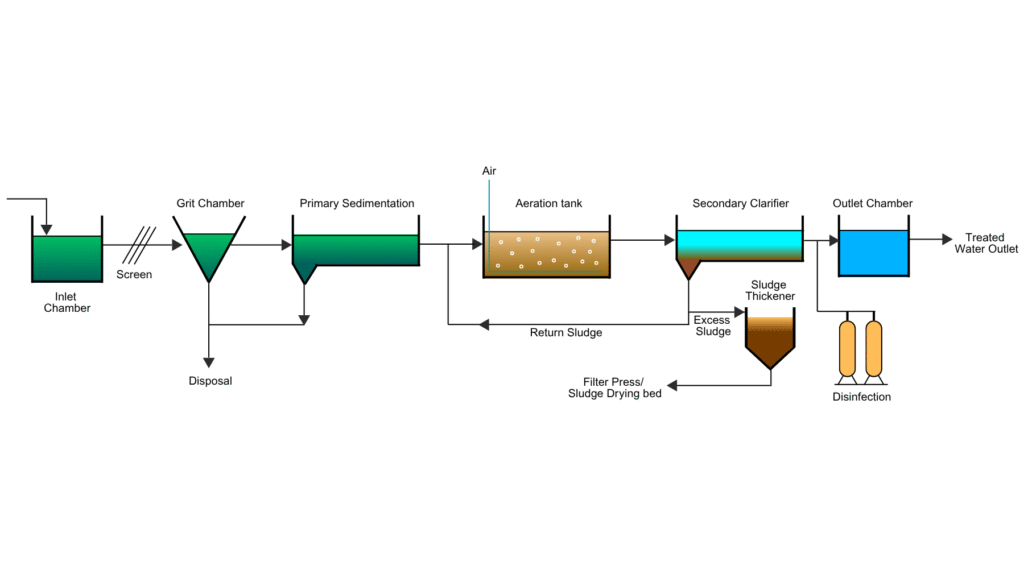
Different Stages in a Wastewater Treatment Plant

A wastewater treatment plant operator must understand each stage of the treatment process to ensure efficiency. Let’s go step-by-step:

1. Preliminary Treatment
 
  • Removal of large debris, plastics, and sand using screens and grit chambers.
  • Protects downstream equipment from damage.
2. Primary Treatment
 
  • Settling tanks allow solids to sink and oils to float, separating the sludge and scum layers.

3. Secondary (Biological) Treatment
 
  • Microorganisms break down organic matter.
  • Common methods: Activated Sludge Process, Trickling Filters, or Sequencing Batch Reactors.
  • The wastewater treatment plant operator monitors oxygen levels, biomass, and sludge age.
4. Tertiary Treatment
 
  • Advanced treatment removes nutrients (nitrogen and phosphorus) and remaining solids.
  • Often includes filtration, UV disinfection, or chlorination.
5. Sludge Handling
 
  • Operators thicken, digest, and dewater sludge before disposal or reuse (as fertilizer or biogas).

Each stage requires constant monitoring by a skilled wastewater treatment plant operator to maintain compliance and performance.

Different Stages in a Wastewater Treatment Plant

Why Wastewater Treatment Plant Operators Are So Important

Without a wastewater treatment plant operator, our environment would be at serious risk. Here’s why they matter:

  • Public Health Protection: They prevent diseases by removing harmful bacteria and viruses from wastewater.
  • Environmental Safety: They ensure treated water doesn’t pollute rivers or soil.
  • Water Conservation: Treated wastewater can be reused for agriculture, cooling, or industrial use.
  • Climate Impact Reduction: Many operators manage systems that produce biogas and renewable energy.
  • Regulatory Compliance: Operators help organizations meet government discharge standards.

In short, the wastewater treatment plant operator is a key guardian of both human health and ecological sustainability.

A Day in the Life of a Wastewater Treatment Plant Operator

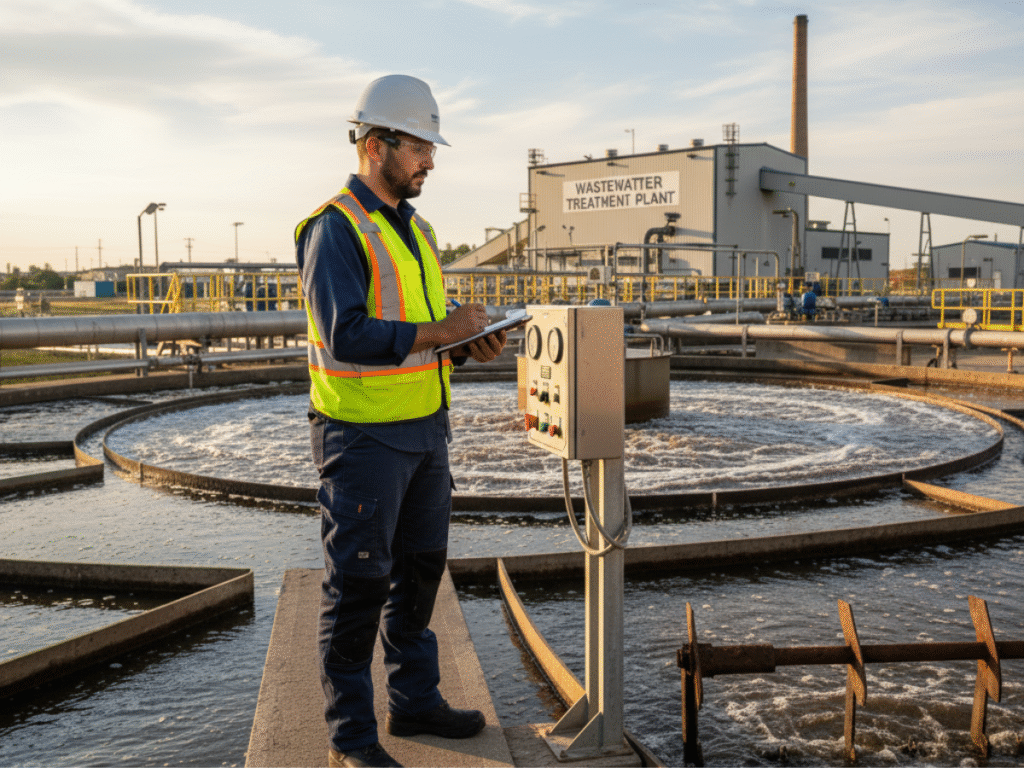
The workday of a wastewater treatment plant operator can be unpredictable. It might start with inspecting equipment, followed by analyzing samples, responding to alarms, and logging performance data.

Here’s what a typical day might look like:

  • 6:00 AM: Check overnight data, plant flow, and equipment status.
  • 7:00 AM: Inspect clarifiers, aeration tanks, and chemical storage areas.
  • 9:00 AM: Collect and analyze water samples in the lab.
  • 11:00 AM: Adjust chemical dosages or aeration levels as needed.
  • 1:00 PM: Perform preventive maintenance on pumps or blowers.
  • 3:00 PM: Record daily reports and communicate with shift supervisors.

Each action by the wastewater treatment plant operator ensures that the system runs smoothly and meets discharge quality standards.

Challenges Faced by Wastewater Treatment Plant Operators

Despite the importance of their role, wastewater treatment plant operators face many challenges:

  1. Odor and Health Risks: Constant exposure to gases and biological matter.
  2. Equipment Failure: Pumps, aerators, and valves can fail unexpectedly.
  3. Weather Impact: Heavy rain or droughts can affect system balance.
  4. Regulatory Pressure: Increasingly strict discharge limits.
  5. Skill Shortages: Fewer young professionals entering the field.

Yet, every wastewater treatment plant operator knows their job is more than a routine—it’s a mission to protect the planet.

Career Growth and Opportunities

The demand for skilled wastewater treatment plant operators is rising globally as industries expand and environmental laws tighten.

Career Paths:
 
  • Operator → Senior Operator → Supervisor → Plant Manager

  • Lab Technician → Environmental Engineer → Process Control Specialist

Industries Hiring:
 
  • Municipal corporations
  • Industrial manufacturing units
  • Food and beverage plants
  • Chemical industries
  • Consultancy and environmental firms
Salary Range (Indicative):
 
Experience Level Approx. Salary (INR/year)
Entry Level ₹2.5 – ₹4.5 lakh
Mid-Level (3–7 years) ₹5 – ₹8 lakh
Senior / Managerial ₹9 – ₹15 lakh+

Globally, the role is highly respected for its technical precision and contribution to sustainability. A wastewater treatment plant operator can even advance into design, training, or consulting roles.

The Future of Wastewater Treatment Operations

In the near future, wastewater treatment plant operators will work alongside AI-driven systems and robotics. However, human expertise will always be essential for interpreting data and managing crises.

Trends to Watch:
 
  • Decentralized Treatment Systems: Smaller modular plants for housing complexes and industries.
  • Resource Recovery: Extracting phosphorus, nitrogen, and energy from waste.
  • Water Reuse Revolution: Treated water for irrigation, flushing, or cooling towers.

These innovations make the job of a wastewater treatment plant operator more exciting, valuable, and future-proof than ever.

Environmental and Social Impact

A wastewater treatment plant operator contributes far beyond their workplace. They directly impact communities by ensuring cleaner rivers, reduced pollution, and healthier ecosystems.

In rural or developing regions, their work can mean the difference between disease outbreaks and safe sanitation. Many operators also conduct awareness programs, helping citizens understand the importance of proper wastewater disposal.

Their role embodies the spirit of sustainability — turning waste into a resource.

Conclusion

The wastewater treatment plant operator is more than just a technician — they are an environmental guardian, a systems manager, and a protector of public health.

From monitoring complex biological reactions to ensuring compliance with environmental laws, their job demands both skill and responsibility. As water scarcity and pollution become global challenges, the importance of this profession will only grow.

If you’re looking for a meaningful career that blends technology, science, and environmental impact, becoming a wastewater treatment plant operator could be your gateway to a sustainable future.

Frequently Asked Questions

1. What qualifications do I need to become a wastewater treatment plant operator?

You typically need at least a high school diploma with science subjects. Many employers prefer candidates with a diploma or degree in Environmental or Civil Engineering. Certification from a recognized authority is often required for operation.

2. What does a wastewater treatment plant operator do daily?

A wastewater treatment plant operator monitors treatment processes, checks water quality, adjusts chemical doses, and maintains mechanical equipment to ensure safe and efficient operation.

3. Is being a wastewater treatment plant operator a good career?

Absolutely. It offers job stability, strong environmental purpose, and opportunities for growth in both public and private sectors. With the increasing focus on water reuse, skilled operators are in high demand worldwide.

4. What are the challenges in wastewater treatment operations?

Challenges include equipment maintenance, handling sludge, odor control, changing weather conditions, and staying compliant with evolving environmental regulations. However, proper training and automation make these manageable.