

Fluvyl

Wastewater Treatment Plant Process: A Complete Guide to How Wastewater Becomes Clean Water

By Fluvyl, updated October 8, 2025

Wastewater Treatment Plant Process

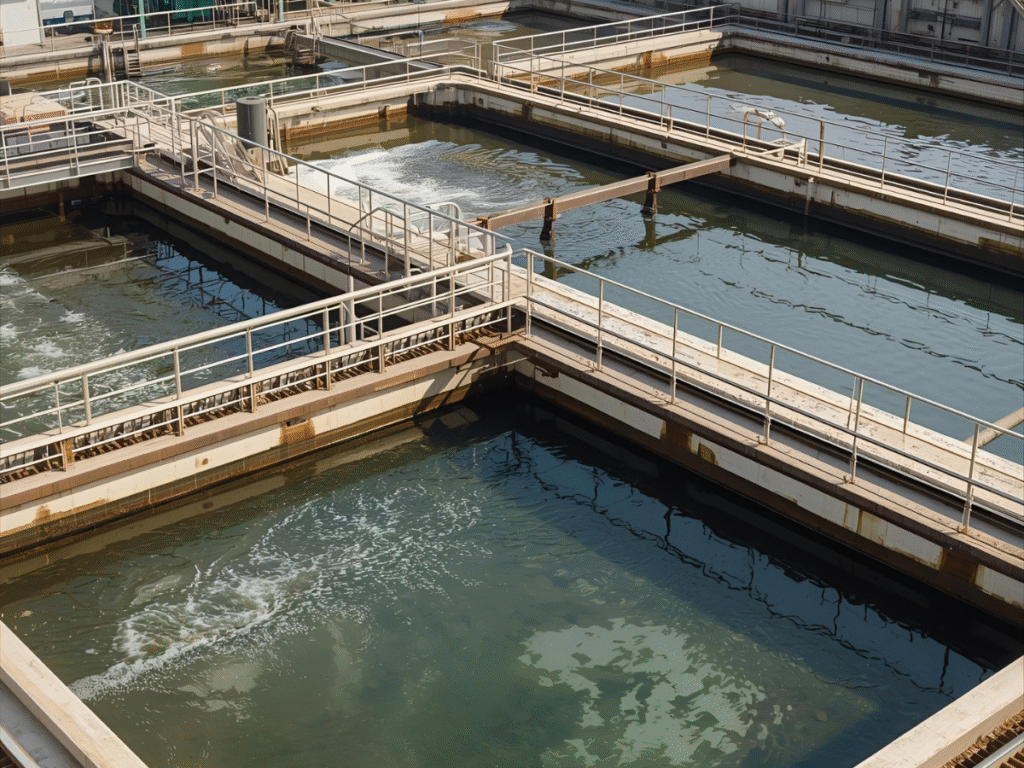
Water is one of the most valuable resources on Earth, yet every day we generate thousands of liters of wastewater from homes, industries, and commercial establishments. The wastewater treatment plant process plays a vital role in cleaning and recycling this used water so that it can safely return to the environment or even be reused.

In this article, we’ll take a complete journey through the wastewater treatment plant process, explore each stage in detail, and understand how it saves cost, protects public health, and benefits our planet.

What is the Wastewater Treatment Plant Process?

The wastewater treatment plant process refers to a series of physical, chemical, and biological operations designed to remove pollutants and contaminants from wastewater. The goal is to convert dirty water into an effluent that’s safe for discharge into rivers, lakes, or for reuse in irrigation, industry, or non-potable applications.

The process generally includes five major stages:

  1. Preliminary Treatment
  2. Primary Treatment
  3. Secondary (Biological) Treatment
  4. Tertiary (Advanced) Treatment
  5. Sludge Treatment and Disposal

Let’s explore each of these stages step-by-step.

1. Preliminary Treatment — The First Line of Defense
 

The first step in the wastewater treatment plant process is the preliminary treatment. This stage removes large debris and solid materials that could damage or clog pumps, pipes, and other downstream equipment.

Key Components:
 
  • Screening: Removes large objects such as plastics, rags, leaves, and wood pieces.
  • Grit Chamber: Allows sand, gravel, and other heavy particles to settle.
  • Flow Equalization Tank: Balances the flow to maintain uniform treatment efficiency.

💡  Why It’s Important:


Without this step, mechanical parts and aeration tanks in later stages could suffer wear and tear or reduced performance.

2. Primary Treatment — Settling the Suspended Solids
 

In this stage, the wastewater treatment plant process focuses on removing settleable and floating materials through sedimentation.

Process Overview:
 

The wastewater enters primary clarifiers where:

  • Heavy solids settle at the bottom (forming primary sludge).
  • Grease and oil float to the top and are skimmed off.

This step typically removes 40–60% of suspended solids and 30–40% of BOD (Biochemical Oxygen Demand).

Key Equipment:
 
  • Sedimentation Tanks
  • Skimmers
  • Sludge Scrapers
3. Secondary Treatment — The Biological Heart of the Process
 

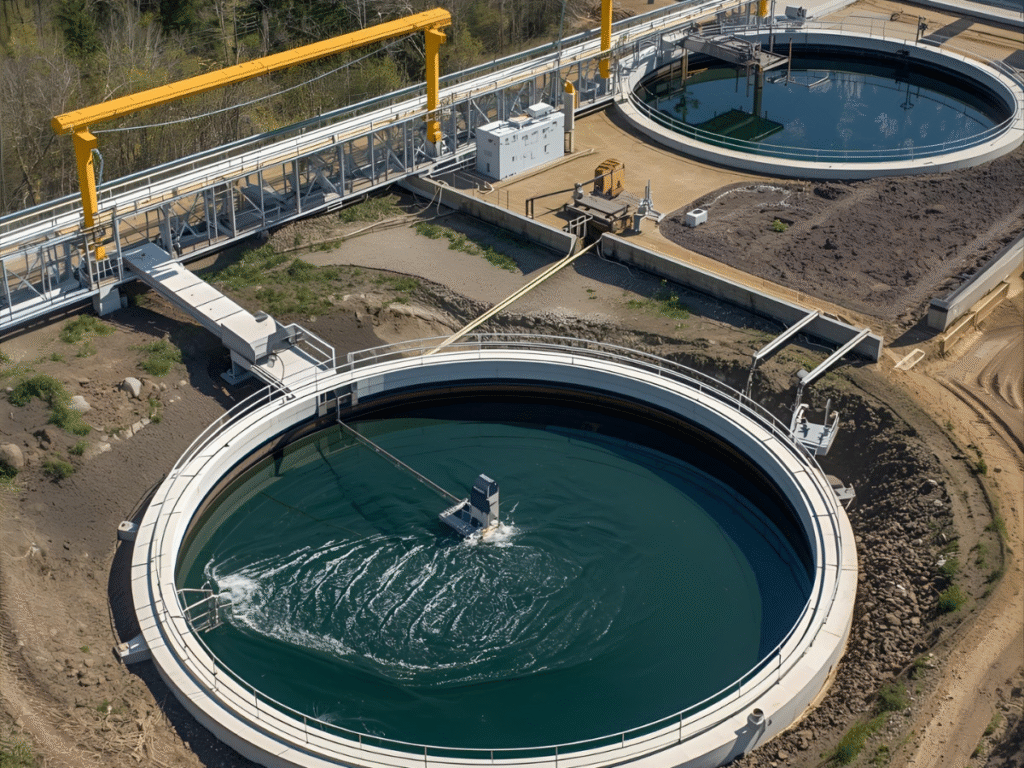
The secondary treatment is where the magic of microbiology takes place. Microorganisms break down the dissolved and colloidal organic matter in the wastewater.

This is the core stage of the wastewater treatment plant process, responsible for removing most of the organic pollutants.

Common Biological Systems:
 
  1. Activated Sludge Process (ASP): Air is supplied to aeration tanks where bacteria consume organic matter.
  2. Trickling Filters: Wastewater is sprayed over beds of stones or plastic media supporting biofilms.
  3. Sequential Batch Reactors (SBRs): Perform aeration, settling, and decanting in a single tank.
  4. Moving Bed Biofilm Reactor (MBBR): Uses suspended plastic carriers for efficient microbial growth.
Typical Performance:
 
  • Removes up to 85–95% of BOD and suspended solids.
  • Produces biologically treated effluent ready for advanced polishing.
4. Tertiary or Advanced Treatment — Polishing the Effluent
 

The tertiary stage refines the water quality further, removing nutrients, color, pathogens, and remaining solids. This step is optional but necessary when the treated water must meet high-quality discharge standards or reuse criteria.

Techniques Used:
 
  1. Filtration: Using sand filters, multimedia filters, or membrane systems.
  2. Nutrient Removal: Processes like nitrification–denitrification remove nitrogen and phosphorus.
  3. Disinfection: Chlorination, UV disinfection, or ozonation kill harmful bacteria and viruses.
Output:
 

After tertiary treatment, the effluent is often clear, odor-free, and safe for reuse in gardening, cooling towers, and sometimes even for indirect potable reuse.

5. Sludge Treatment and Disposal — Managing the Byproduct
 

The wastewater treatment plant process doesn’t just produce clean water; it also generates sludge that needs careful handling.

Stages of Sludge Treatment:
 
  1. Thickening: Increases the solid content.
  2. Stabilization: Reduces pathogens and odor using anaerobic or aerobic digestion.
  3. Dewatering: Removes water using centrifuges or filter presses.
  4. Final Disposal: Sludge can be incinerated, composted, or used as fertilizer (biosolids).

Proper sludge management ensures sustainability and compliance with environmental regulations.

Table: Overview of Wastewater Treatment Plant Process Stages
 
StageMain ObjectiveKey Processes / EquipmentTypical EfficiencyOutput
Preliminary TreatmentRemove large solids, grit, and debrisScreening, Grit Chamber, Equalization Tank10–15% SS removalDebris-free wastewater
Primary TreatmentSettle suspended solidsPrimary Clarifiers, Skimmers40–60% SS, 30–40% BODPrimary effluent
Secondary TreatmentBiodegrade dissolved organic matterASP, MBBR, SBR, Trickling Filters85–95% BOD, SS removalBiologically treated effluent
Tertiary TreatmentPolish effluent, remove nutrients/pathogensFiltration, UV, Chlorination, Ozone99% purity possibleReusable or discharge-quality water
Sludge TreatmentStabilize and dispose of sludgeDigestion, Dewatering, CompostingVolume reduction 50–80%Biosolids or safe disposal

Why the Wastewater Treatment Plant Process Matters

The wastewater treatment plant process is not just a technical operation; it’s an environmental necessity. Here’s why:

1. Protects Public Health
 

Untreated wastewater contains harmful bacteria, viruses, and chemicals that can contaminate water sources. Treatment ensures disease prevention.

2. Reduces Environmental Pollution
 

Effluent discharge without treatment leads to eutrophication, oxygen depletion, and aquatic life death. The treatment process prevents such damage.

3. Promotes Water Reuse
 

With rising water scarcity, treated wastewater is increasingly used for irrigation, industrial use, and even toilet flushing in urban areas.

4. Supports Circular Economy
 

Sludge-to-energy conversion, biogas recovery, and nutrient recycling all promote a sustainable cycle.

Key Parameters Monitored During the Wastewater Treatment Plant Process

To maintain efficiency, operators constantly monitor and control important parameters such as:

ParameterPurposeTypical Range
pHEnsures microbial activity and chemical stability6.5 – 8.5
Dissolved Oxygen (DO)Supports aerobic bacteria1.5 – 3.0 mg/L
BOD (Biochemical Oxygen Demand)Measures organic pollution< 30 mg/L in treated effluent
COD (Chemical Oxygen Demand)Indicates total organic load< 250 mg/L
TSS (Total Suspended Solids)Reflects solids in water< 50 mg/L

Maintaining these parameters ensures the wastewater treatment plant process operates optimally.

Different Types of Wastewater Treatment Plants

Depending on size, application, and effluent standards, various types of plants exist.

1. Municipal Wastewater Treatment Plants
 

Designed for domestic sewage and community wastewater.

2. Industrial Wastewater Treatment Plants
 

Customized for specific industries (e.g., textile, food, pharmaceuticals).

3. Package Wastewater Treatment Plants
 

Compact, prefabricated units ideal for small factories, hotels, and residential complexes. These are gaining popularity due to low installation costs and ease of operation.

4. Decentralized or On-Site Systems
 

Used in rural or remote areas with no central sewer system.

Innovations in Wastewater Treatment Plant Process

Modern technology is transforming the traditional wastewater treatment plant process into a smart, automated, and energy-efficient system.

Key Innovations:
 
  • IoT & Sensors: Real-time monitoring of pH, DO, turbidity, and flow.
  • AI Optimization: Predictive control reduces energy and chemical usage.
  • Membrane Bioreactors (MBR): Combine biological and filtration processes for compact design.
  • Resource Recovery: Extracts phosphorus, nitrogen, and biogas from sludge.

These innovations not only enhance performance but also reduce operational costs.

Energy and Cost Optimization

Energy accounts for 25–40% of total plant operation costs. Optimizing the wastewater treatment plant process can significantly cut expenses.

Optimization Strategies:
 
  • Aeration Control: Using Variable Frequency Drives (VFDs) for blowers.
  • Load Balancing: Equalizing influent flow.
  • Sludge Minimization: Using bioaugmentation and improved digestion.
  • Automation: Using SCADA systems for continuous control.

A well-optimized system ensures lower power bills, better effluent quality, and longer equipment life.

Environmental and Economic Benefits

AspectEnvironmental BenefitEconomic Benefit
Water ReuseConserves freshwaterReduces purchase cost
Sludge-to-EnergyReduces carbon footprintProduces biogas and fertilizer
Optimized AerationSaves powerCuts energy bills
Automation & MonitoringReduces human errorImproves operational efficiency

By implementing these improvements, the wastewater treatment plant process becomes both sustainable and profitable.

Who Needs to Understand This Process?

Understanding the wastewater treatment plant process is valuable for:

  • Plant Operators: To ensure consistent performance.
  • Consultants & Engineers: To design efficient treatment systems.
  • Students & Researchers: To explore environmental technologies.
  • Industrial Managers: To comply with effluent norms and CSR commitments.

Future of Wastewater Treatment

The future will see smart and decentralized wastewater systems integrated with renewable energy and data-driven insights.

  • Zero Liquid Discharge (ZLD): Every drop of water is recovered.
  • AI-driven Predictive Maintenance: Prevents breakdowns before they occur.
  • Green Infrastructure: Combining wetlands and nature-based solutions.

The wastewater treatment plant process will continue to evolve, becoming a critical part of sustainable urban development.

Final Thoughts

The wastewater treatment plant process is not just about purifying water—it’s about protecting life, reducing pollution, and ensuring a sustainable future.

Whether you’re a consultant designing treatment systems, an operator maintaining one, or simply a citizen curious about how wastewater is cleaned, understanding this process helps appreciate the complex journey from drain to clean water.

By optimizing and adopting modern technologies, we can make the wastewater treatment plant process more efficient, eco-friendly, and cost-effective—ensuring that every drop counts.

Frequently Asked Questions

1. What are the steps of a wastewater treatment plant?

The main steps of a wastewater treatment plant include preliminary treatment (removing debris and grit), primary treatment (settling solids), secondary treatment (biological removal of organic matter), tertiary treatment (advanced polishing and disinfection), and sludge treatment for managing solid byproducts. These steps together ensure the wastewater is safe for discharge or reuse.

2. What are the 7 steps of a water treatment plant?

The 7 steps of a water treatment plant are screening, coagulation, flocculation, sedimentation, filtration, disinfection, and storage or distribution. Each step removes different types of impurities, ensuring the water meets drinking standards and is safe for human consumption.

3. What are the 5 steps of the water treatment process?

The five key steps of the water treatment process are coagulation, flocculation, sedimentation, filtration, and disinfection. These steps work in sequence to eliminate suspended particles, bacteria, and harmful contaminants, producing clean and clear water.

4. What are the 7 stages of purification of water?

The 7 stages of water purification typically include pre-filtration, activated carbon filtration, reverse osmosis (RO), UV sterilization, post-carbon polishing, mineralization, and storage. These stages are common in advanced water purification systems and ensure the water is pure, safe, and tastes fresh.